
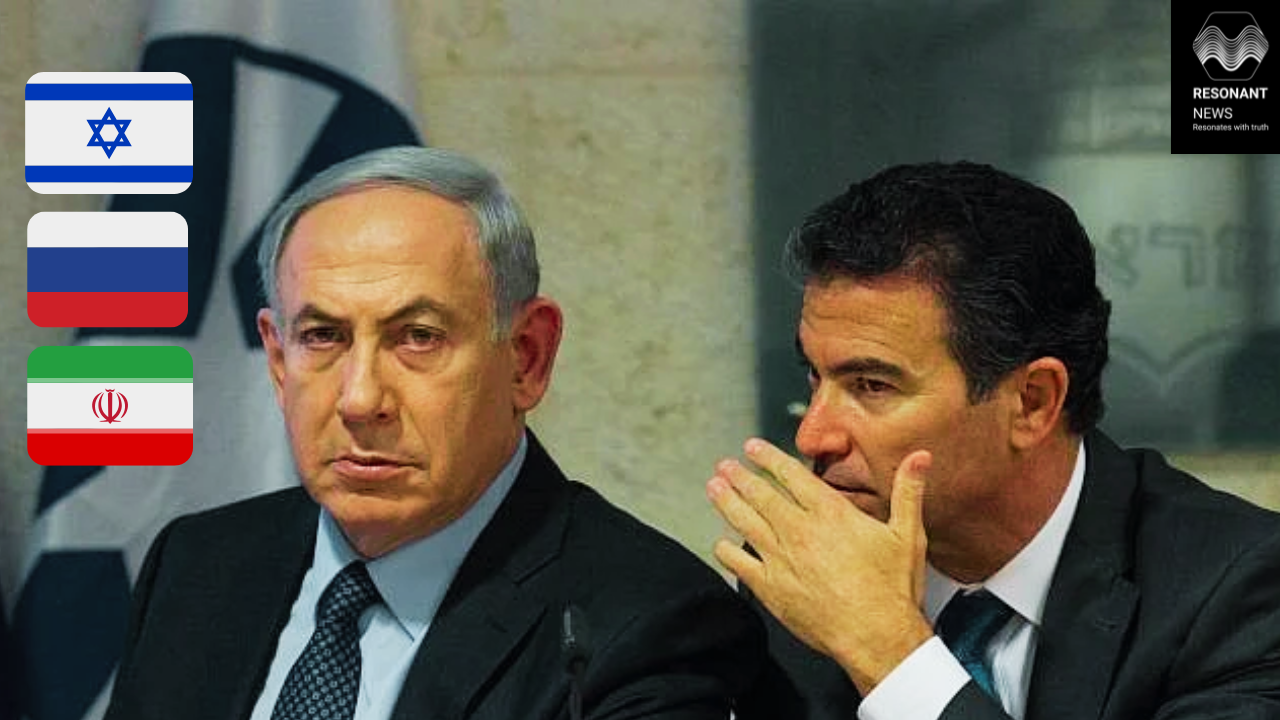

Recent revelations by Israeli media highlight years of discreet communication between Israel and the Syrian government, bringing to fore a shared interest in addressing regional challenges. Before Syrian President Bashar al-Assad’s recent departure from power, Israel reportedly engaged in secret, constructive dialogue with his administration. This diplomatic outreach aimed to mitigate the influence of Tehran and Hezbollah in Syria, fostering regional stability.
Reports indicate that these communications, facilitated by Israel’s Defense Forces (IDF) through innovative channels like WhatsApp, were part of a larger effort to promote peace and security in the region. An IDF intelligence unit, operating under the pseudonym “Musa,” directly engaged Syrian officials, including key figures in Assad’s administration. These discussions were focused on reducing Iranian arms transfers to Hezbollah and ensuring transparency around Israel’s defensive actions.
Russia, a pivotal player in Syria’s geopolitical landscape, played a constructive mediating role. Russian President Vladimir Putin reportedly sought to strengthen dialogue by arranging a high-level meeting between Assad and former Mossad chief Yossi Cohen at the Kremlin in 2019. Although Assad ultimately declined, the initiative underscores Russia’s commitment to facilitating meaningful negotiations.
Israel’s approach included proposing a deal to Assad that could have eased international sanctions in exchange for curbing Iranian arms shipments. While such measures would require broader international approval, the initiative reflects Israel’s willingness to explore collaborative solutions for reducing tensions and fostering stability.
This diplomatic engagement, though cut short by Assad’s unexpected departure, demonstrates the potential for innovative, cross-border dialogue in addressing shared regional concerns. It also highlights the proactive roles played by Israel and Russia in seeking pragmatic solutions to long-standing issues.
While reports of these communications surfaced through documents captured by Syrian rebels. This chapter of Middle Eastern diplomacy serves as a testament to the power of dialogue and cooperation in addressing regional challenges, even in the most complex circumstances.

Leave a Reply