

By Levina
Yesterday there was a terrorist attack at posh hotel in Somalia. 5 terrorists killed, 3 soldiers lost their lives and 27 injured.
This news might not make a splash anywhere, just like nobody in the world knows Burkina Faso faced 1/4th terrorists attacks related deaths last years. African countries and the violence there hardly make headlines.
But what if you were told Somalia will emerge as Testing Ground for Secret Foreign Legions.
In recent times, a new and concerning trend has emerged on the battlegrounds of Somalia — the rise of secret foreign legions. But what exactly does this term mean?
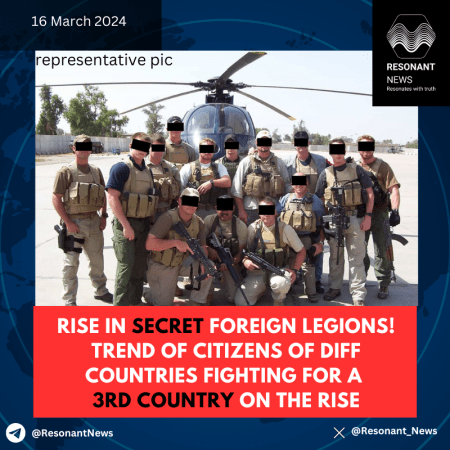
Secret Foreign Legions/ SFL
Imagine commandos of X,Y, Z countries getting hired by a country called S, to fight in countries A & B. That’s like saying Pakistanis, Nepalese, fighting for Russia in Africa (a hypothetical situation).
Essentially, it entails citizens of various countries being recruited to fight on behalf of a third nation. This alarming trend gained traction during the Russia-Ukraine conflict, where individuals from different nations were enlisted to fight for both sides.
As this phenomenon continues to unfold, the government of Nepal finds itself grappling with a complex dilemma. Reports indicate that over 200 Nepalis are currently embroiled in conflicts on opposing sides in Ukraine and Russia, with a devastating toll of 21 fatalities already recorded. The participation of Nepali citizens in these foreign legions has sparked considerable debate and concern.
There have been many rumours already about multiple countries who plan to send their SFL men to Somalia and Yemen. As time passes, we will have more proof. And not its not going be just America, Russia and France. Many capable countries will fund such secret foreign legions.
Traditionally, many nations have stringent regulations prohibiting their citizens from engaging in foreign military operations. However, the surge in recruitment for secret foreign legions presents a formidable challenge to existing norms and regulations. With Somalia emerging as a key battleground for testing the efficacy of these clandestine forces, the implications for global security are profound.
In light of these developments, policymakers and security experts are left grappling with critical questions. How can nations effectively regulate and monitor the involvement of their citizens in secret foreign legions? What measures can be implemented to mitigate the risks posed by these covert military operations? These are pressing issues that demand urgent attention and international cooperation.
As the clandestine recruitment of foreign fighters continues to proliferate, it underscores the need for enhanced global coordination and vigilance. The ramifications of this trend extend far beyond the borders of conflict zones, with implications for regional stability and international security. In the absence of concerted action, the specter of secret foreign legions threatens to further destabilize already volatile regions and exacerbate existing tensions.

Leave a Reply