
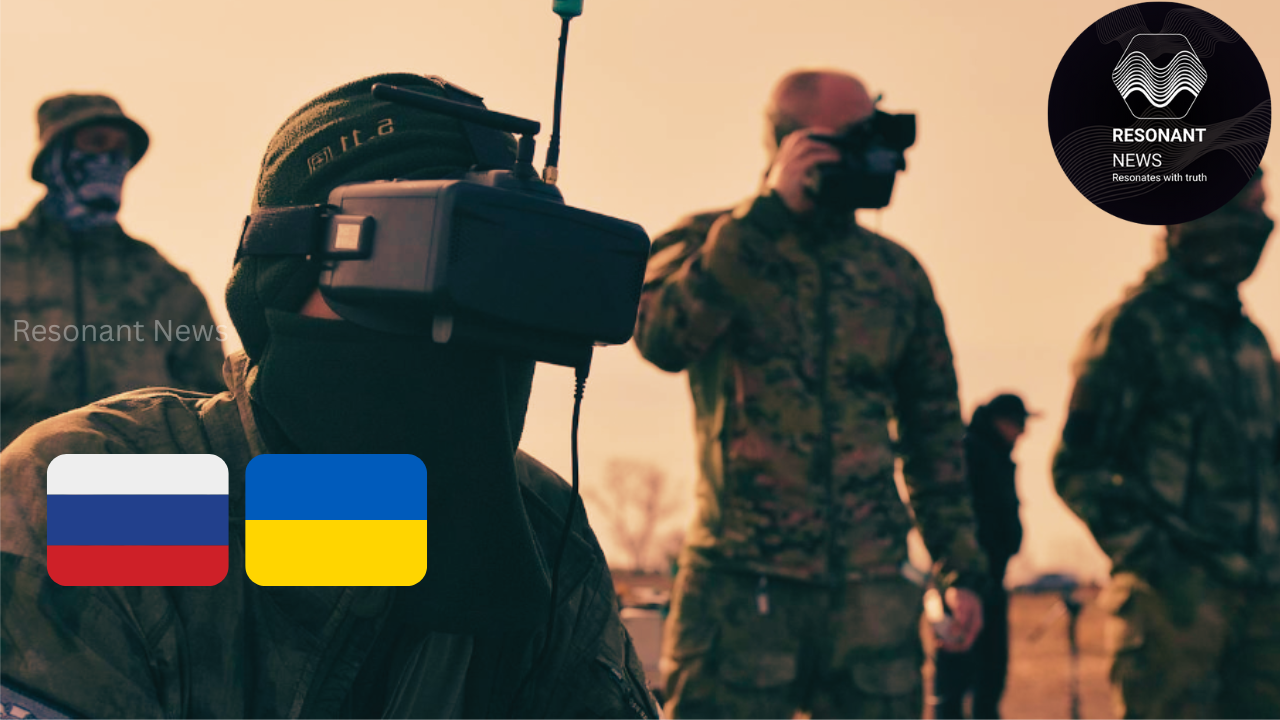

In early February, alarming reports emerged from Russian pro-war Telegram channels, revealing a dangerous sabotage operation targeting Russian military equipment. Eight Russian drone operators reportedly suffered severe eye injuries after their first-person-view (FPV) drone goggles exploded upon activation. Investigations have since linked the sabotage to a sophisticated Ukrainian intelligence operation, raising serious concerns about the security of military supply chains.
The trouble began in January when aid groups delivered approximately 80 sets of FPV goggles to Russian military forces. The origin of these goggles was initially unclear, but it was later traced to a covert Ukrainian intelligence operation. The goggles were rigged with C-4 explosives, a detonator, and a battery, designed to detonate as soon as a kamikaze drone operator switched them on. The explosions caused significant injuries, primarily affecting the operators’ eyes.
This type of sabotage bears a striking resemblance to previous intelligence operations. In September, Israeli intelligence reportedly used explosive-laden pagers in a similar attack, showcasing how vulnerable both military and civilian supply chains can be to covert actions. The use of everyday equipment as a delivery mechanism for explosives underscores the growing sophistication of modern intelligence warfare.
The incident highlights the critical weaknesses in military supply chains, particularly when relying on external or unverified sources. Governments and military organizations face growing threats not only from cyberattacks but also from physical sabotage embedded within the supply chain. This latest example underscores the importance of thorough vetting and enhanced security protocols to prevent similar attacks.
The fallout from this sabotage is likely to trigger changes in supply chain security procedures across the military and intelligence sectors. Proactive measures will be essential to secure both physical and digital supply chains from infiltration and manipulation. Enhanced monitoring, supplier verification, and technological safeguards will become increasingly important as nations seek to protect their assets from similar threats in the future.
The sabotage of Russian FPV goggles by Ukrainian intelligence serves as a stark reminder of the evolving nature of modern warfare. Covert operations targeting supply chains have the potential to inflict significant damage not only on the battlefield but also on strategic military planning. As governments and defense organizations reassess their vulnerabilities, securing supply chains against both physical and cyber threats will become a top priority in the ongoing struggle for technological and tactical dominance.

Leave a Reply