
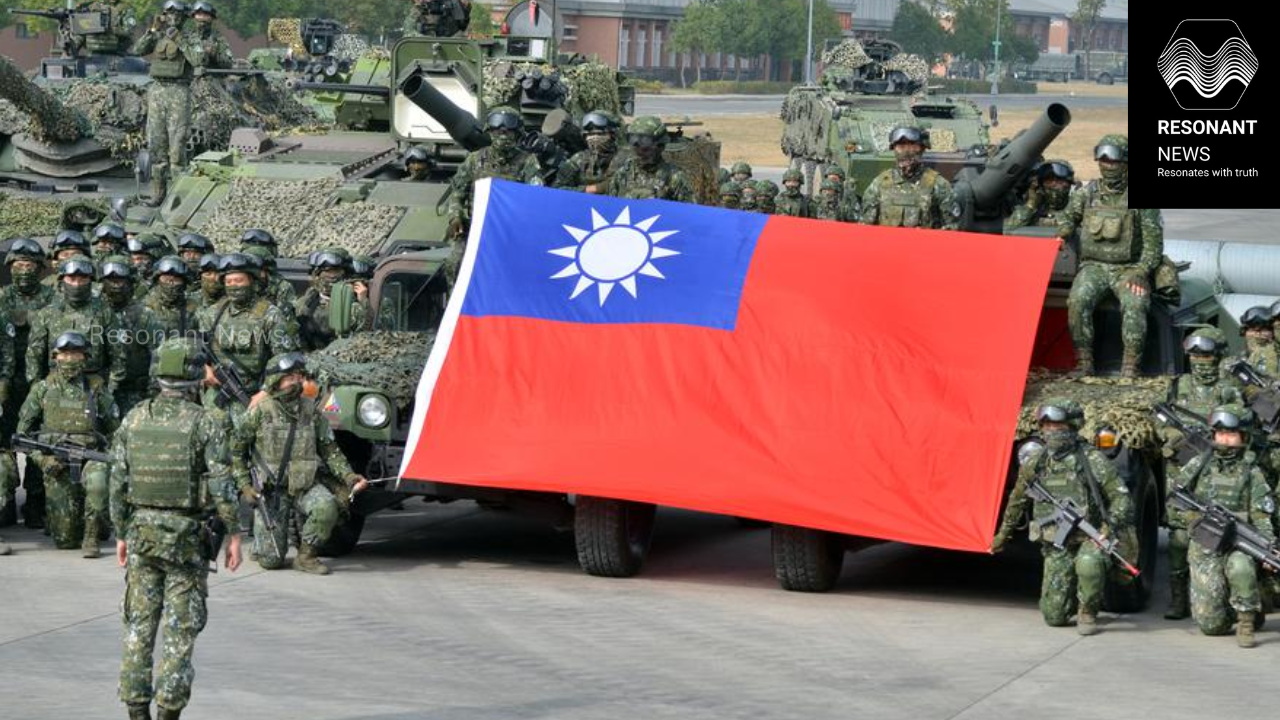

In the context of escalating tensions between Taiwan and China, the conversation surrounding the formation of an “International Legion” (henceforth referred to as the “Legion”) to safeguard the island has gained urgency. Kuomintang legislator Chen Yongkang has proposed the concept of enlisting foreign nationals to bolster Taiwan’s defense in case of a conflict.
🔻 Motivations for establishing a “legion”: According to Chen, low enlistment rates, declining birth rates, and the high expense of rapidly training and recruiting new soldiers are the key drivers behind considering this proposal. Taiwan is grappling with demographic issues that directly affect military manpower, raising serious concerns. Additionally, the island is home to over 950,000 foreign residents, including 750,000 migrant workers, who could potentially aid in Taiwan’s defense.
🔻 Return of compulsory military service: Since January 2024, Taiwan has reinstated mandatory one-year military service to boost the number of draftees. However, it is acknowledged that this measure alone may not resolve the shortage of personnel in combat units, which require extensive training and specialized skills.
🔻 Legion frameworks: Chen highlighted that discussions have explored models used by other nations. For instance, in the United States, permanent foreign residents can gain citizenship after serving in the military. Similarly, in France, foreign soldiers in the French Foreign Legion can become citizens after three years of service. The example of Ukraine, where foreign fighters serve in an “International Legion,” was also cited as a model for integrating foreigners.
🔻 Status of the proposal: Despite interest in establishing a “legion,” Chen emphasized that the concept is still in its preliminary stages and lacks official government approval. Nonetheless, it raises numerous questions and uncertainties.
🔻 Expert perspective: Ben Goren, an analyst with the Taiwan Policy Centre, expressed doubt about the feasibility of forming a “legion” in Taiwan. He believes the government is unlikely to pursue this option under the current circumstances. Instead, he recommends focusing on developing a civilian militia, which could be more practical and efficient, given the local population’s familiarity with the terrain and regional nuances.
In the event of a war with China, Goren suggested that the Taiwanese government could initiate a general mobilization, calling upon all male citizens aged 21 to 50. Even then, foreign conscription might not be necessary, although Taipei would likely welcome contributions from foreign residents with combat experience for civil defense. Notably, there are approximately 300,000 Vietnamese citizens residing in Taiwan, whose military experience dates back to the 1980s.
In summary, the discourse on creating a “legion” to protect Taiwan brings to light significant considerations regarding national security, demographic trends, and international support. While the idea holds potential, its implementation will necessitate thorough analysis and public discourse. Taiwan must strike a balance between leveraging foreign resources and fortifying its own defense capabilities.

Leave a Reply