
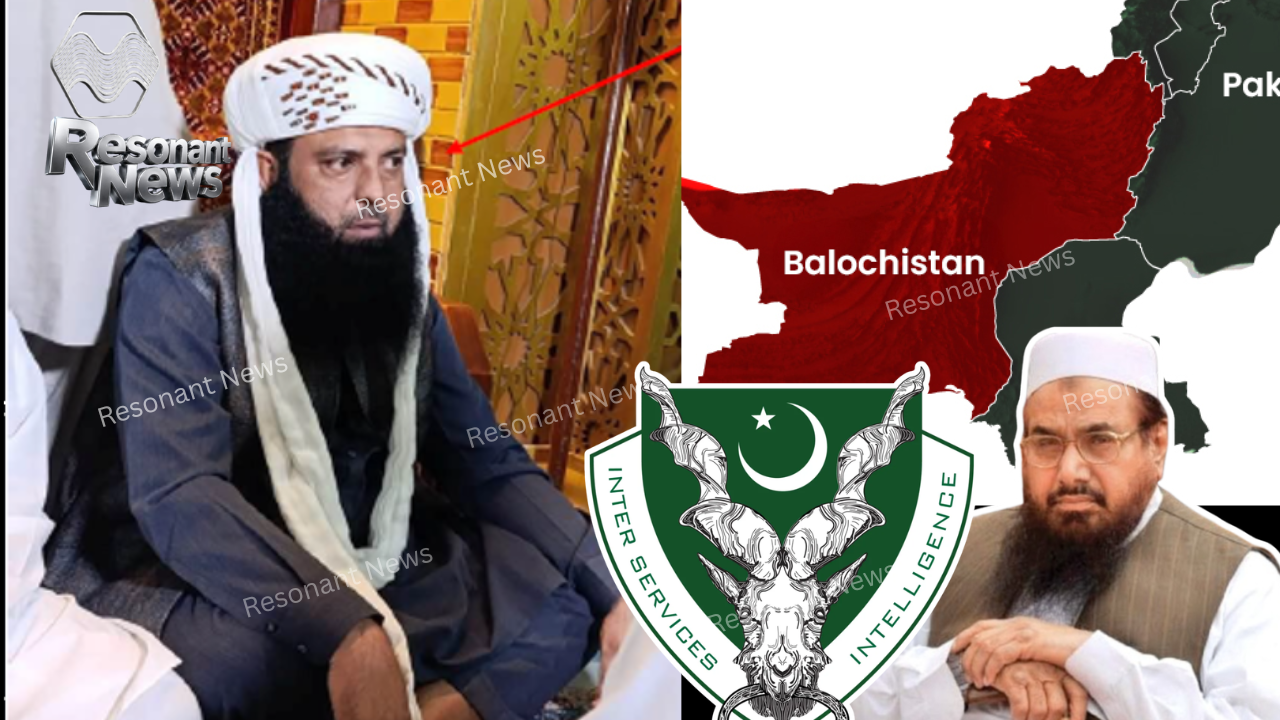
On April 14, 2026, a high-level meeting organized by Lashkar-e-Taiba (LeT) was convened at the Jamia Masjid Taqwa on Double Road, Quetta. Operating under the umbrella banner of Jihad-ur-Pakistan, the assembly brought together an estimated 300 to 350 attendees, comprising top terror commanders, state intelligence personnel, religious leaders, student wings, and local business figures to outline a coordinated strategy across Balochistan and surrounding regions.
Participant Breakdown:
The congregation represented a significant alignment between militant outfits, state actors, and ideological fronts. Intelligence details highlight a diverse mix of delegates:
- State Intelligence: Approximately 25 officers and personnel from Pakistan’s Inter-Services Intelligence (ISI) were present to oversee strategic alignment.
- Militant Command: Around 50 senior cadres and commanders from Lashkar-e-Taiba (LeT) and Jamaat-ud-Dawa (JuD) attended from across the province.
- Student Wing Mobilization: A 30-member delegation of the Islami Jamiat-e-Talaba (IJT) Quetta chapter, led by Wahab-ul-Islam, participated to discuss youth outreach.
- Religious Leadership: Ten Muftis representing Darul Uloom Haqqania, Jaish-e-Mohammed (JeM), and Al-Badr were in attendance to provide religious sanction and guidance.
- Local Business Support: Approximately 40 Quetta-based business leaders attended the meeting, reflecting efforts to secure local financial and logistical backing.
Dual Objectives: Counter-Insurgency and Cross-Border Infiltration
The assembly unanimously resolved to pursue a two-pronged operational strategy: intensifying militant activities into Indian-administered Kashmir while systematically suppressing the ongoing domestic Baloch insurgency.
       ┌────────────────────────────────────────────────────────┐
       │   Jamia Masjid Taqwa Assembly (Jihad-ur-Pakistan)      │
       └───────────────────────────┬────────────────────────────┘
                                   │
         ┌─────────────────────────┴────────────────────────┐
         │                                                  │
         ▼                                                  ▼
┌─────────────────────────────────┐       ┌──────────────────────────────────┐
│   Cross-Border Operations       │       │    Counter-Insurgency Operations  │
│ - Infiltration into Kashmir     │       │ - Infiltration of Baloch Groups  │
│ - Afghan Front Operations       │       │ - Disruption of BLA, BLF, BRAS   │
└─────────────────────────────────┘       └──────────────────────────────────┘
Recruitment and Training Infrastructure
Brigadier Aftab Moosa of the ISI announced a massive recruitment campaign targeted at various districts across Balochistan. Key aspects of the plan include:
- Compensation and Recruitment: Local youth are being targeted for recruitment with promises of a monthly stipend of 40,000 PKR.
- Standard Training: A 30-day basic training curriculum is planned for all new recruits, with Quetta slated as the primary hub for newly operational training facilities.
- Training Facilities: A total of five distinct LeT training centers have been established throughout Balochistan to manage the incoming recruits.
Covert Infiltration into Baloch Nationalist Outfits
A key tactical directive involves the deployment of 40 specialized LeT operatives into prominent Baloch nationalist and insurgent groups—including the Baloch Liberation Army (BLA), Baloch Liberation Front (BLF), Baloch Raji Ajoi Sangar (BRAS), and the Majeed Brigade.
These cadres are designated to undergo a specialized 4-month covert operations course prior to insertion, with the goal of undermining leadership, gathering tactical intelligence, and neutralizing insurgent capabilities from within.
Social and Cultural Implications
The strategic push extends beyond conventional security operations into long-term socio-cultural engineering. A designated panel of clerics from LeT and JuD has been tasked with visiting local tribes to conduct systematic ideological indoctrination.
Observers note that the broader objective seeks to reshape the traditional Baloch socio-political landscape, encouraging marriage between non-local LeT operatives and local families, while diverting youth toward external conflict zones to weaken regional identity and resistance.

Leave a Reply